


Berberine for weight loss: What the research actually says
It's been touted across social media recently as ‘nature’s Ozempic’.



Key takeaways
- Berberine is a compound found in flowering plants such as barberry, Oregon grape, and goldenseal, with a long history of use in Chinese and Ayurvedic medicine. It works by triggering the enzyme AMPK, which controls metabolism, and can slow digestion to promote feelings of fullness — leading to its popular but misleading social media nickname "nature's Ozempic."
- Research into berberine for weight loss is still in its early days, but a 2022 review of more than 40 studies suggests that a daily dose above 1 gram, paired with regular exercise and a healthy diet, may positively support weight loss. However, the studies varied widely in dosage, participant health conditions, and lifestyle factors, so more high-quality research is needed before berberine can be recommended as a confirmed weight loss treatment.
- Berberine may offer other health benefits beyond weight loss, including lowering cholesterol, supporting heart health, improving insulin sensitivity in people with type 2 diabetes, and supporting gut health. It's generally safe in moderate doses, but should be avoided by pregnant or breastfeeding women, children, organ transplant recipients, and people taking medications like statins, blood thinners, or anti-tumour drugs — always consult a healthcare provider before starting.
As medically-backed weight loss treatments grow in accessibility and reach, so does the promotion and profile of many supplements as another champion in your health journey arsenal, and sometimes, as an holistic alternative to medication.
While there is no doubt that some of these supplements offer numerous health benefits that can support your body and help in losing weight, it can often be hard to discern which ones are promising trends and which are simply trending.
Berberine supplements have been touted across social media recently as ‘nature’s Ozempic’, a super supplement that can help you shed that extra weight in an all-natural way, but what is berberine? How does it impact your body, and does it really do everything social media claims it can?
What is berberine?
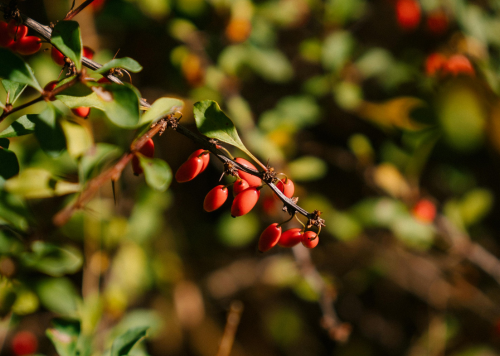
Berberine is a compound found in a range of flowering plants such as barberry, Oregon grape, goldenseal, gold thread, tree turmeric and more. These sorts of plants have a long history of being used in Chinese and Ayurvedic medicine, particularly in treating bacterial and fungal infections, viruses, and gastrointestinal disorders, as well as in promoting wound healing [6].
Today, berberine is extracted from its plant sources and often sold as an herbal dietary supplement, with its packaging promising health benefits ranging from helping to control your blood glucose levels to metabolic health support.
What is berberine used for?
Conversations about how berberine can be used, and what it's used for, has evolved in recent years as our understanding of the health benefits of this plant-based compound has grown. In particular, research suggests that berberine may be useful in helping to control cholesterol and triglyceride levels, and support blood sugar control, but some early studies suggest that it may also be used in treating diabetes and heart disease, and have a positive effect on some types of cancer, as well as mental health, digestive health and weight loss [1].
While research is really still in its infancy as to exactly how berberine might be used to support the body, the outlook is optimistic, with early research showing a connection between berberine supplementation and cholesterol control, diabetes, cardiovascular risk factors, and weight loss, making it an increasing area of interest to expert panels [2].
How does berberine work in the body?
As a bioactive compound, berberine stimulates glycolysis, improving insulin secretion, and inhibits gluconeogenesis and adipogenesis in the liver, not just reducing insulin resistance, but improving ovulation, lowering bad cholesterol and testosterone levels, and acting as an anti-inflammatory. [2]
Through this, berberine is able to trigger the enzyme AMPK (activated protein kinase), which controls your metabolism. In other words, it supports the process in which your body makes energy from what you eat and drink, and as a result, can slow down digestion and make you feel full sooner. The idea that it could mirror some of the effects of weight loss medications such as GLP-1 is why many influencers tout berberine as 'nature's Ozempic', and why taking berberine supplements has been suggested as potentially a viable holistic alternative [4].
What does the research say about berberine and weight loss?
While more research needs to be conducted into berberine for weight loss, the link between this supplement and a consumer's body mass index does seem to have a solid scientific foundation.
In fact, a review of more than 40 studies examining the effects of berberine on body weight and/or body mass index conducted in 2022 indicated that when a berberine dose of more than 1 gram per day is paired with regular exercise and a healthy diet, it does seem to positively support weight loss overall [5].
That said, these studies varied widely in terms of how much of the supplement berberine was being taken, what other lifestyle changes were made, and the health concerns and/or chronic diseases of the participants involved, many of whom had diabetes, cardiovascular risk factors, or fatty liver disease, which may have influenced the outcome of the studies.
As a result, more high-quality research with greater control factors and a different range of participants needs to be conducted before berberine's impact on weight loss can be conclusively said [4]. Until then, berberine's effects on weight loss should be treated as an exciting possibility rather than a current course of treatment.
What are the other potential benefits of berberine?
While the jury might still be out on berberine for weight loss, researchers have found that this compound may offer health benefits that can support you and your body in a range of other ways:
- Lowering cholesterol: Since 2004, berberine has been used as a part of some treatment plans for lowering high cholesterol levels, and while studies dispute just how effective this is, few dispute that the effects of berberine are there. In fact, berberine supplements' ability to reduce low-density (LDL)-cholesterol and triglyceride, particularly in people with only minor high cholesterol, has been found to be quite successful and potentially an attractive alternative for people with metabolic syndrome or those who are intolerant to statin drugs [7].
- Supporting heart health: On top of that, a number of studies suggest that berberine's ability to lower bad cholesterol levels and improve good cholesterol levels, when paired with its anti-inflammatory properties, may be of benefit to those with heart disease, or with cardiovascular risk factors such as obesity, metabolic health issues, type 2 diabetes, or prediabetes [1].
- Lowering blood sugar levels: Some studies have shown that berberine can also improve insulin sensitivity, reducing fasting glucose and insulin levels significantly in people with type 2 diabetes [1].
- Supporting gut health and digestion: Recent research has also suggested that berberine supplements might have a positive effect on the microbiome, particularly in people with gastrointestinal ailments and inflammatory bowel disease. Regulating the microbiome has many positive effects on other health conditions too, and may help to slow the progression and reduce the effects of colorectal cancer, liver disease, schizophrenia and bipolar disorder [1].
When should you take berberine?
If you have mild high cholesterol or type 2 diabetes, berberine could be a beneficial supplement to add to your daily health routine. If you take it, it should be taken between meals or early in the day, as it is not recommended to take it with food. [5]
That said, while there are many exciting possibilities and potential health outcomes when it comes to taking berberine supplements, doing so should only be done under consultation with your healthcare provider, as studies are still being conducted into the supplement's efficacy.
Is berberine safe?
Berberine is sold as a food supplement/herbal product and is regulated under food law in the UK. It is safe to take in moderate doses for most people. Still, as with any supplement, it’s important to speak to your health care provider before trying berberine, as there are cases where it’s not safe, particularly if you’re pregnant, breastfeeding, or under the age of 18 [4].
Side effects of berberine
While side effects of berberine are quite rare, there are instances where you might experience mild symptoms such as:
- Appetite loss
- Nausea
- Stomach pain
- Bloating
- Diarrhoea
- Constipation
- Headaches
- Rash [2]
In very rare cases, a side effect of berberine is liver toxicity.
Berberine can also interact with some medications, including statins, anti-tumour medications, pain relievers and blood thinners. If you are taking any of these medications, berberine may not be right for you [4].
Who should avoid berberine?
Outside of the medication types listed above, people who’ve recently had an organ transplant and children should also avoid taking berberine.
Exposure to berberine has also been linked to a harmful build-up of bilirubin in infants, which can cause liver and brain damage, so this supplement is considered unsafe for pregnant or breastfeeding people [5].
Should you take berberine for weight loss?
While there does seem to be a positive link between berberine and weight loss, this research is still in its early days, and the extent to which the supplement might support you is still unknown.
Through the Juniper Programme, we can help you make lifestyle and habit changes, and we’re in it with you for the long run, having helped thousands of women achieve their weight loss goals.
Our programme is based on verified research, expert opinions and medically-backed treatments paired with holistic lifestyle changes to help support you in not just losing weight, but in making healthier choices that can see you looking and feeling your best long into the future.
Ready to see if Juniper is right for you? You can check your eligibility here.
Image credit: Pexels
in 1 year
- No GP referral
- Ongoing expert support
- Trusted by 260,000 members worldwide

“I was always on this yo-yo diet scenario, which never worked. I always just felt hungry throughout the dieting process and it actually kinda gets you down”


“Juniper has been my weight loss miracle, we all need help on our weight loss journey, especially because it gets harder the longer it goes on.”

“Juniper's just given me my confidence back. That's what my friends are saying, “You've got your smile back, you've got your sparkle back,” which I know I'd lost.”
- https://www.uclahealth.org/news/article/what-know-about-berberine-so-called-natures-ozempic
- https://www.mskcc.org/cancer-care/integrative-medicine/herbs/berberine
- https://pmc.ncbi.nlm.nih.gov/articles/PMC8874997/
- https://health.osu.edu/wellness/exercise-and-nutrition/berberine-weight-loss
- https://www.nccih.nih.gov/health/berberine-and-weight-loss-what-you-need-to-know
- https://www.nature.com/articles/s44325-026-00113-w
- https://pubmed.ncbi.nlm.nih.gov/15926873/


.avif)


.avif)

.avif)