


Is coconut milk good for weight loss? Here’s what the research says
There's no denying that it tastes great, but does it have the essential nutrients you need for a balanced diet?



Key takeaways
- Coconut milk can fit into a weight-loss diet when consumed in moderation, but its high fat and calorie content mean portion size matters.
- Most of the fat in coconut milk comes from medium-chain triglycerides (MCTs), which may support satiety, energy use, and fat metabolism compared to other saturated fats.
- Coconut milk is not nutritionally equivalent to dairy milk, as it lacks protein and calcium unless fortified, so it’s best used as a complementary ingredient rather than a primary milk replacement.
From a steaming bowl of Thai curry to your daily coffee, a sweet treat after dinner or breakfast shakes and oatmeal – you can add coconut milk to almost any meal.
There's no denying that it tastes great, but does it have the essential nutrients you need for a balanced diet? And where does it fit in for people focused on weight management?
We are big fans of curious questions here at Juniper, and even more excited to answer them. Read on to find out what nutrients are in coconut milk, its potential health benefits and whether it can promote weight loss.
What is coconut milk?
Whether you prefer canned coconut milk or a 1L carton, most people are familiar with the different versions on supermarket shelves. But, do you know what’s actually in the container?
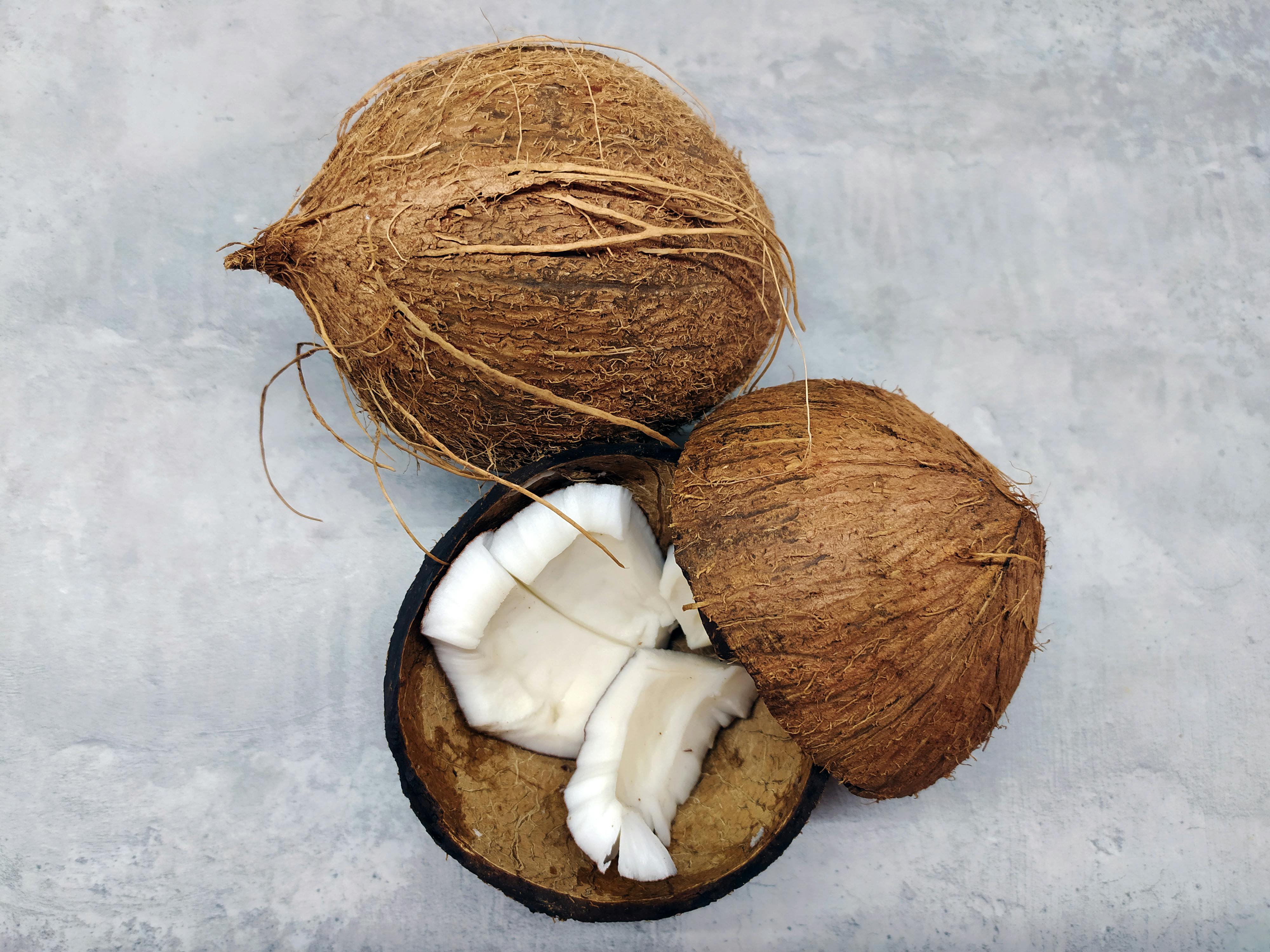
Coconut milk is made using the white coconut flesh, also known as the kernel [5]. This kernel is added to water before being blended and strained to turn it into a smooth liquid.
Coconut milk can also be processed into powder form. The powder can be dissolved in water to create a thin or thick milk for cooking.
Who can have coconut milk?
Since it contains no lactose or dairy, coconut milk is a good option for people with lactose intolerance or dairy allergies [1][4]. It also fits in with vegan diets as it contains no animal products.
Even though it’s suited to most people, coconut milk is not one of the most popular plant-based milk alternatives out there.
According to The Vegan Society, the top 2 alternative milk products around the world are almond and soy. Though other varieties, like oat milk, are on the rise [1].
This lack of love for coconut milk may have something to do with its high saturated fat content, which we’ll explore in detail later.
Is coconut milk a good option for everyone?
While coconut milk can form part of a healthy diet for most people, its lack of calcium means it’s not a great substitute for cow's milk across all age groups [2].
Coconut milk and other plant-based alternatives are not recommended to replace cow’s milk for children under 5. This is because these milks don’t have enough calcium to support bone growth.
Another group that should be careful is post-menopausal women. Plant-based milks, including coconut milk, often lack calcium and zinc – both of which are important for bone density.
If you do choose to skip out on dairy milk, then you must make up for the lack of some nutrients in other parts of your diet. This is best done with the support of a dietician or qualified health professional.
Nutrient breakdown of coconut milk
Every brand of coconut milk will have a slightly different nutrition profile, depending on how it’s made and whether it’s been fortified with other nutrients. But, for an estimate, we can look at data from the Australian Food Composition Database.
The following breakdown is based on a standard serve of coconut milk, which is 200ml [2][10][11].
Coconut milk also contains small amounts of vitamins and minerals, such as vitamin E, potassium and magnesium.
What are the health benefits of coconut milk?
Every food we eat has the potential to give our body a boost, and coconut milk is no different. Here are 3 ways coconut milk can support your overall health.
Fighting oxidative stress
You might have come across the term oxidative stress before, but for a quick recap, it can cause inflammation in the body, which has been linked to higher risks of serious disease [5].
Antioxidants are the superheroes in your corner that have a protective effect against oxidative stress.
Coconut milk contains a few different types of antioxidants, like vitamin E and certain polyphenols [5][8]. Even better, the polyphenols in coconut milk are not destroyed by heat, which means they can survive the cooking process.
Supports healthy blood pressure
For people looking to cut down on salt in their diets, coconut milk is definitely an option. With naturally low sodium levels, it can help you maintain healthy blood pressure levels [6].
Full of medium-chain fatty acids
We promised to enlighten you on coconut milk and saturated fat – and it starts here.
Coconut milk is high in fat, but it contains mostly medium-chain fatty acids (MCTs). Examples of MCTs include: lauric acid, capric acid and caprylic acid [5].
MCTs are a type of healthy fat with various benefits in your body, such as [5][6][7][8]:
- Helping reduce total cholesterol
- Improving your immune system
- Increasing satiety after a meal, which helps you feel full and reduces overeating
- Providing energy to your body
- Supporting brain function, such as boosting memory
- Regulating blood sugars
- Training the body to burn fat for energy, rather than glucose
You might notice that some of these benefits can help support weight loss and management, which we’re going to dive into next.
Is coconut milk good for weight loss?
Coconut milk can absolutely form part of a healthy diet for weight loss and maintenance. Like most foods, it’s all about moderation.
For example, research shows that regular dairy milk can support your weight loss efforts, as long as your overall eating plan results in a calorie deficit. On the flip side, people who enjoyed dairy but didn’t keep an eye on their overall calorie intake were more likely to gain weight [4].
The same is true if you drink coconut milk; having too much is more likely to lead to weight gain [6]. It’s hard to say what ‘too much’ would look like since everybody has different needs.
A good starting place is the recommended serving size, which for coconut milk is 200-250ml per serve [2]. Beyond this, you can work with a dietitian or your doctor on a weight loss plan personalised to your goals.
There’s one more thing to consider with coconut milk – it’s rather high in fat. So, despite its low calories and sugar, is it a healthy option? It can be. Allow us to explain.
The truth about coconut milk and saturated fat
If you look at the saturated fat content of coconut milk, it is on par with foods like butter or meat [6]. That’s not a great start; since we know a high saturated fat intake can increase cholesterol levels, which is bad for our health [3].
But not all fats were made the same. New research is helping us understand how short- and medium-chain fatty acids contribute to healthier saturated fats.
We introduced you to MCTs and a few of their potential health benefits earlier. The majority of the saturated fat in coconut milk comes from MCTs [6].
The first bit of good news is that MCTs can actually help support healthy cholesterol levels. Research has shown that MCTs help reduce LDL cholesterol (the ‘bad’ kind) and raise HDL cholesterol (the ‘good’ kind). That means overall, they are not as big a risk to your health compared to other saturated fats [4][6].
Another key benefit of MCTs is that they help you feel full after eating. That can be good for people focused on weight loss, as it can help reduce overeating [7].
But wait, there’s more. MCTs are a good source of energy for your body. They actually help train your body to use stored fat for energy, rather than focusing on glucose [6].
Finally, the high levels of fat in coconut milk can help your body absorb fat-soluble vitamins like vitamins A, D, E and K [6].
The bottom line is this: while coconut milk does have high levels of fat, it’s not all bad news. Fats are an important part of any diet, plus the kind of saturated fat in coconut milk can be helpful for your health and weight management.
Holistic support for your weight loss journey
If you're looking for assistance on your weight loss journey, you might like to consider the Juniper programme. You’ll get expert support from a team of health pros, like dietitians, who can guide you through your weight loss journey, including which foods to eat to achieve your goals.
You can check your eligibility.
Which diets include coconut milk?
From health to sustainability, there are many reasons that people choose a certain diet plan. Coconut milk can be included in many popular diets. Here are 3 of the most common ones [1][4][12]:
- Dairy-free: Whether by choice or because of an allergy, coconut milk is a good option for people on a dairy-free diet. This includes lactose intolerance.
- Vegan: Coconut milk is a great plant-based milk alternative for people who have chosen to avoid animal products.
- Keto: The high-fat and low-carb content of coconut milk makes it a good fit for people who are following a keto diet plan.
Alternatives to coconut milk
Maybe you don’t like the way coconut milk tastes in your coffee, or perhaps it’s the creamy texture. No matter what your reason is, rest assured, there are plenty of milk options out there to suit your preferences, diet and health goals.
Dairy milk
Let’s start with the original – dairy milk from cows. Cow’s milk has plenty of protein, fibre, calcium and important vitamins like vitamin D and B12 [2][3][4].
Even when plant milks have been fortified to include these nutrients, they usually contain less than cow’s milk does naturally.
There are also new types, like A2 milk, that are supposed to be easier for people with a dairy intolerance or allergy to digest [4].
So, if you enjoy the taste and it’s a fit for your diet goals, consider bringing cow's milk back on the menu.
Soy milk
Soy milk is considered a good swap for dairy milk as it is high in protein and most brands are fortified with calcium [9]. Soy milk actually has the highest protein content of the plant-based milks, which is something to consider depending on your diet goals [3].
Almond milk
A favourite around the world, almond milk is made from ground almonds. It’s a good alternative for people who don’t handle dairy or soy products well [9].
While almond milk is low in calories and fat, it also has very little protein. You could check for a fortified version or consider making up your protein goals in another part of your diet.
Oat milk
Oat milk is quickly rising in the ranks of plant-based milk favourites. Made from blended oats, it has the highest fibre content of the alternative milks [9]. It’s low in fat, but also lacks protein and calcium – so fortified options are recommended.
With a natural sweetness and creamy texture, it can be a good swap for dairy milk or coconut milk in recipes like curries, soups and creamy desserts.
The only people who should avoid oat milk are those with gluten allergies or intolerances.
Rice milk
Most of the non-dairy milks are made from common allergens, like soy, nuts and gluten. So, for people who need to avoid the whole bag, rice milk could be an option. Made from brown rice, it’s the least likely to trigger an allergy [9].
This milk is quite low in protein and calcium, so make sure to find a fortified version or adjust your diet to make up for these lost nutrients.
Macadamia milk
Made from blended macadamia nuts, this milk is another creamy option that can be a good swap for dairy or coconut milk [9]. It contains mostly unsaturated fats, which are good for you. Again, the best options are those fortified with nutrients like calcium and vitamin D.
How to choose the right milk for your diet and lifestyle
Is it just us, or is choosing a healthy (and delicious) milk for your diet getting harder and harder? There are so many options; from unsweetened almond milk to oat milk, skim milk and good ol' cow's milk.
We know it's hard with so many options on the shelves, but we're here to help. The simplest choice is usually the one that tastes the best.
If you want to go a step further, then we recommend checking the nutrition label. A few things to look out for include [3][4][8]:
- Unsweetened products typically have no added sugar, making them healthier
- Sweetened and flavoured products, like chocolate or vanilla, are usually the highest in sugar
- Nutrients like calcium, phosphorus and vitamin D are all key for bone health – so check if your chosen milk is fortified with any of these
- Check the protein content of your favourite milk and consider swapping to a higher-protein option or a fortified version
Eating a varied and balanced diet can help ensure you get plenty of nutrients from all your food sources, not just your milk.
For personalised diet advice, you can work with a dietitian or your doctor. Remember, there are also programmes (like Juniper) that provide holistic support to help you lose weight and build a healthy lifestyle.
Image credit: Pexels

in 1 year
- No GP referral
- Ongoing expert support
- Trusted by 260,000 members worldwide

“I was always on this yo-yo diet scenario, which never worked. I always just felt hungry throughout the dieting process and it actually kinda gets you down”


“Juniper has been my weight loss miracle, we all need help on our weight loss journey, especially because it gets harder the longer it goes on.”

“Juniper's just given me my confidence back. That's what my friends are saying, “You've got your smile back, you've got your sparkle back,” which I know I'd lost.”
- https://www.mdpi.com/2304-8158/14/21/3672
- https://www.mdpi.com/2072-6643/12/5/1254
- https://www.mdpi.com/2072-6643/13/3/842
- https://nutritionsource.hsph.harvard.edu/milk/
- https://pmc.ncbi.nlm.nih.gov/articles/PMC7422486/
- https://www.researchgate.net/publication/378507995_Nutritional_and_therapeutic_benefits_of_coconut_milk_and_its_potential_as_a_plant-based_functional_yogurt_alternative_a_review
- https://pmc.ncbi.nlm.nih.gov/articles/PMC9217113/
- https://www.ijhsr.org/IJHSR_Vol.12_Issue.11_Nov2022/IJHSR35.pdf
- https://dietitiansaustralia.org.au/health-advice/plant-based-milks
- https://afcd.foodstandards.gov.au/fooddetails.aspx?PFKID=F002991
- https://afcd.foodstandards.gov.au/fooddetails.aspx?PFKID=F002990
- https://www.mindbodygreen.com/articles/is-milk-keto-these-7-low-carb-milks-will-keep-you-in-ketosis


